
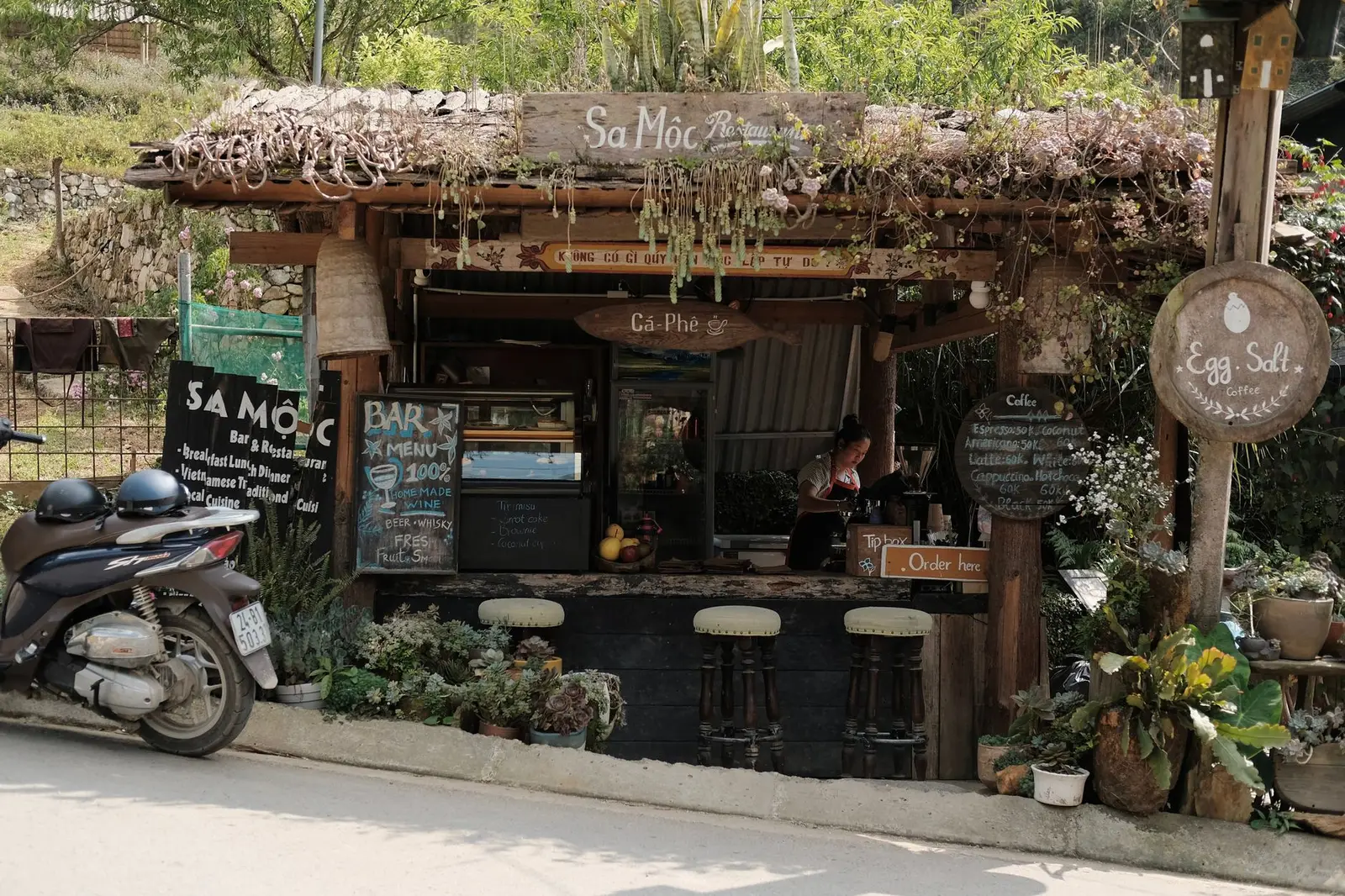
I was a barista in Melbourne for three years. I thought I understood coffee. Then I moved to Hanoi and realized I’d only seen one page of a very long book.
Here’s the thing about Hanoi coffee: the city doesn’t just drink coffee. It builds its entire daily rhythm around it. Morning coffee is a ritual. Afternoon coffee is therapy. The cafe is where business deals happen, relationships start, and old men solve the world’s problems over tiny cups of jet-black liquid.
This is not a ranking of “best cafes.” This is how coffee actually works in Hanoi.
You Know Milk Coffee. Now Forget Everything About It
In Melbourne, milk was religion. Third-wave everything, latte art, baristas arguing about microfoam texture like it was a competitive sport. I made flat whites for three years and thought that was the ceiling of what coffee with milk could be.
Then I came back to Hanoi and drank ca phe trung, egg coffee, for the first time as an adult, not a kid sneaking sips of Ong Noi’s tra da. No milk at all. Whipped egg yolk and sugar over hot black coffee instead, because Hanoi didn’t have reliable fresh milk in the 1940s when Giang Cafe invented it, so someone substituted egg yolk out of necessity. A drink born from scarcity became one of the best things I’ve ever put in my mouth.
You cannot make this in a Melbourne cafe with a five-figure espresso machine. It’s not about equipment. It’s about a specific improvisation, in a specific decade, that turned into a permanent fixture of how this city drinks coffee. That’s the part no amount of latte art can copy.
The Drinks You Need to Know
Ca Phe Sua Da (Iced Milk Coffee)
The workhorse. Strong coffee brewed through a metal filter (phin), poured over condensed milk and ice. Sweet, intense, and strong enough to restart your heart. This is what 90% of Hanoi drinks daily.
You’ll find this literally everywhere. Street corner, office lobby, hole-in-the-wall shop. Price: 15,000-30,000 VND ($0.60-1.20). The cheaper it is, the more local the spot. That’s usually a good sign.
Ca Phe Trung (Egg Coffee)
The one everyone talks about. Whipped egg yolk, sugar, and condensed milk on top of hot black coffee. Invented at Giang Cafe in the 1940s. Tastes like a warm caffeinated custard. It’s excellent and you should try it, but if egg coffee is the only Vietnamese coffee you drink in Hanoi, you’re missing the point.
Where: Giang Cafe (the original, packed but worth it) or Dinh Cafe (the rooftop view over Hoan Kiem is the real draw). Expect from 35,000-55,000 VND.
Ca Phe Dua (Coconut Coffee)
This one snuck up on me. Blended coconut cream with coffee, served frozen. It sounds like a tourist gimmick. It’s actually incredible: creamy, cold, slightly nutty. Best in summer when Hanoi turns into a sauna.
Cong Caphe popularized this and they’re everywhere now. Love or hate their military-themed decor, the coconut coffee is consistently good.
Ca Phe Muoi (Salt Coffee)
Salt. In coffee. I know. Stay with me.
A tiny amount of salt cuts the bitterness and amplifies the sweetness of the condensed milk. It’s subtle, you don’t taste “salty coffee.” You taste coffee that’s somehow rounder, smoother, and slightly addictive. This is a newer Hanoi thing and not every tourist has caught on yet.
Ca Phe Chon (Weasel Coffee)
Coffee beans that have passed through a civet cat’s digestive system. It’s famous, it’s expensive, and I’ll be honest: most of what’s sold to tourists is fake. The real stuff costs a fortune and tastes genuinely different. Smoother, less acidic.
My take: try it once if you’re curious. Don’t make it a personality trait.
Best Neighborhoods for Cafe Hopping
Old Quarter: Dense, chaotic, maximum options. Great for trying egg coffee and people-watching. Touristy pricing but high variety. Best for first-timers.
Tay Ho (West Lake): The expat coffee scene. Specialty coffee shops with actual pour-overs and latte art. More Melbourne-hipster, less traditional Hanoi. My go-to when I miss flat whites.
Dong Da / Kim Lien area: Student neighborhood. Cheap, local, zero tourists. The kind of places where Ca Phe Sua Da costs 12,000 VND and the plastic stool has your name on it (figuratively, but some regulars basically own their spot).
Hoan Kiem surroundings: The cafe-with-a-view zone. Rooftop places overlooking the lake. Higher prices, but you’re paying for the atmosphere and the Instagram shot. Fair trade.
The Morning vs Afternoon Routine
Morning (6-8am): Serious coffee. Black or Ca Phe Sua Da. Fast service, tiny cups, standing or squatting on the sidewalk. This is fuel, not a social event. Many Hanoians hit a Pho spot first, then coffee next door. The two-stop breakfast combo.
Afternoon (2-4pm): The long sit. This is when Hanoi’s cafe culture really shines. People camp out for hours: laptops, books, slow conversation. The afternoon coffee is as much about the sitting as the drinking. Order something cold, find a spot, and don’t rush.
A Few Etiquette Notes
Nobody rushes you at a Hanoi cafe. Order, sit, stay as long as you want, that’s the culture, not an exception. Nobody’s coming to refill your water or hint that you should free up the table.
Plastic stool cafes usually don’t have table service beyond the initial order. If you want a second drink, flag someone down or walk up to the counter, don’t wait for someone to notice you.
And tipping isn’t expected at most street-level cafes. At the nicer sit-down spots in Tay Ho or the French Quarter, rounding up is appreciated but not required.
My Personal Order
Most mornings: Ca Phe Sua Da from whatever’s closest to my apartment. No filter snobbery. Just caffeine.
Weekends: I pick a new cafe and try whatever’s interesting on the menu. Hanoi opens new cafes the way other cities open convenience stores. There’s always something new.
Fancy days: Egg coffee at Giang, the original. Some things don’t need innovation.
If you came to Hanoi just for the food, the coffee alone would justify the trip. This city runs on caffeine the way other cities run on electricity, and prices above are current as of 2026. more here
FAQ
What’s the difference between egg coffee and regular Vietnamese coffee?
Egg coffee (Ca Phe Trung) has whipped egg yolk and sugar on top of hot black coffee, more like a warm custard. Regular Ca Phe Sua Da is iced coffee with condensed milk, no egg involved.
Is Hanoi egg coffee safe to drink?
Yes. Reputable cafes like Giang Cafe pasteurize or properly cook the egg mixture. It’s been served this way since the 1940s.
Where can I try salt coffee in Hanoi?
It’s newer and less widespread than egg or coconut coffee, so look for it at specialty cafes in Tay Ho or the Old Quarter rather than street stalls.
© 2026 ilovehanoi.com. All rights reserved. Original research by Leo Tran. First published on ilovehanoi.com. Unauthorized reproduction prohibited.