
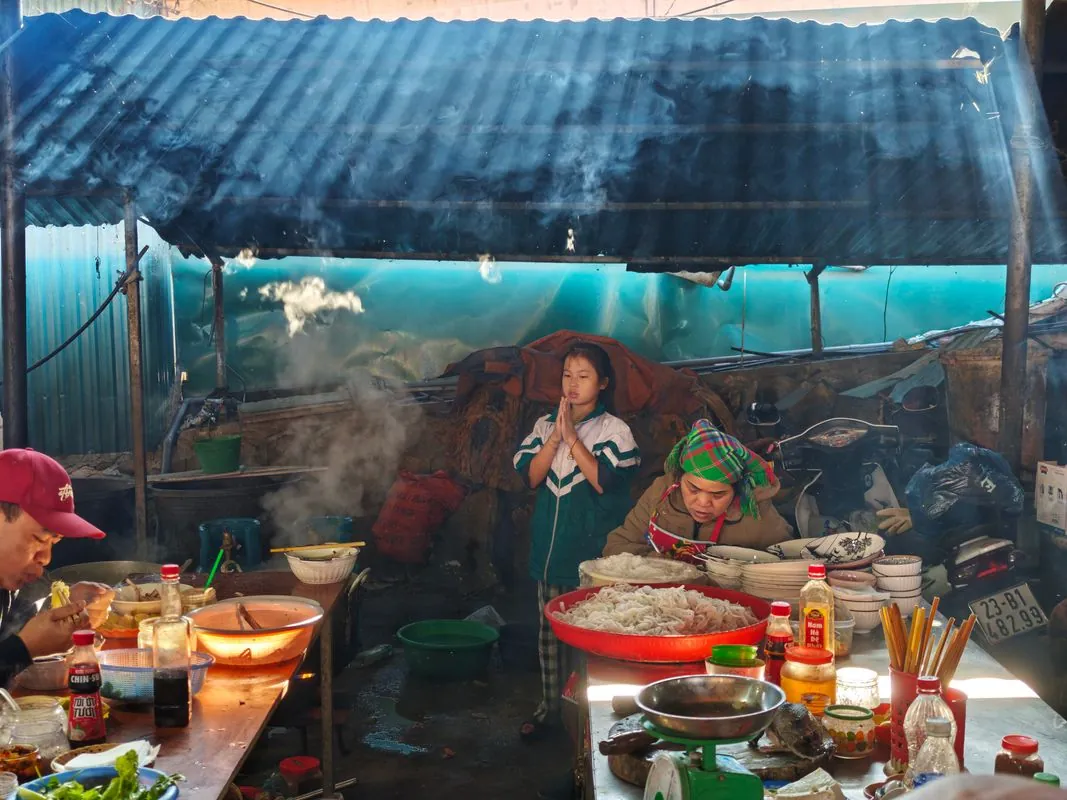
There are dozens of cooking classes in Hanoi, and honestly, most of them teach the same three or four dishes with a market visit bolted on. So instead of listing ten options I haven’t personally vetted, I’m telling you about the one that keeps earning its spot as Klook’s featured pick in this category: Apron Up.
You know a cooking class. Chop something, stir something, eat it at the end, take a recipe card home. In Melbourne I did exactly one of these, a pasta class, $95 AUD, forty minutes of instruction padded out with two hours of wine. Hanoi does it differently: the class starts at a wet market at 7 or 8 AM, not a stocked demo kitchen, and the first hour is just learning to identify herbs most Western cooks have never touched. That can’t be copied from a recipe card. You need the smell of the actual herb in your hand before you can reliably use it back home.
Why Apron Up
It currently holds a 4.8 rating from 783 reviews and carries Klook’s “Klook’s Choice” badge, which the platform reserves for listings with consistently strong performance, not something operators can buy their way into. For a cooking class specifically, where the quality swing between operators is huge, a track record like that matters more than a flashy listing page.
[AFFILIATE: https://affiliate.klook.com/sl/138hP3K | See what’s included and check current price]
What You Actually Learn
Vietnamese cooking classes in Hanoi generally follow a similar structure: a market visit to see the ingredients in context, then a hands-on session cooking several classic dishes, usually including a fresh spring roll, a noodle dish, and something with the local herbs that don’t travel well as souvenirs (so this is your chance to actually use them). Check the current listing for the exact dish lineup, as operators do rotate their menus seasonally.
What a Typical Class Looks Like, Hour by Hour
First hour: Market visit. Your instructor walks you through a local wet market, pointing out herbs and ingredients you won’t recognize (there are a lot of them, Vietnamese cooking uses far more fresh herbs than most home cooks are used to). This part is as much a cultural tour as a shopping trip.
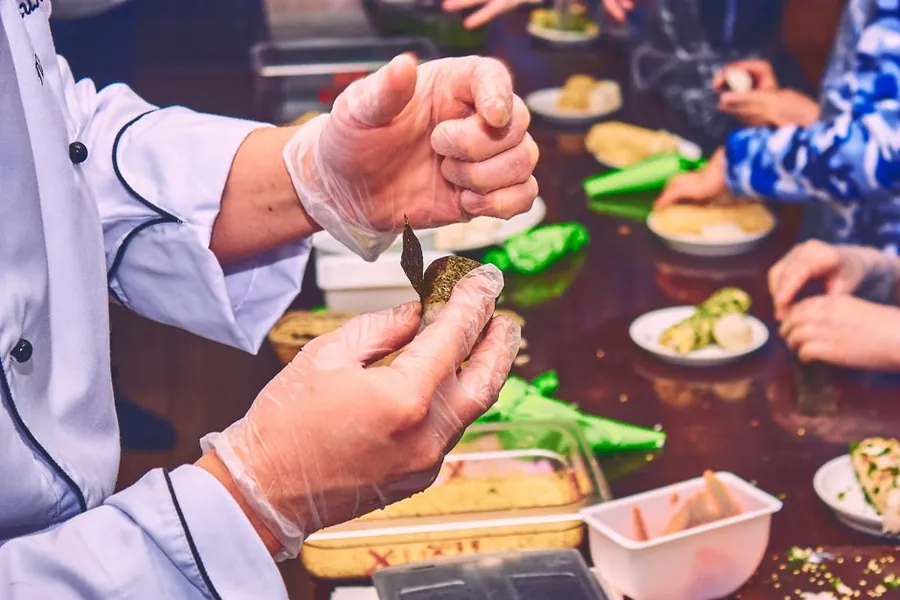
Second and third hour: Hands-on cooking. You’re not watching a demo, you’re actually rolling spring rolls, chopping herbs, and working the wok yourself, with the instructor correcting technique as you go. This is where a good class earns its price over a cheap one, real correction, not just a recipe card and a wave in your general direction.
Final stretch: Eating what you made, usually family-style at a shared table. This is also typically when you get the printed recipe cards to take home.
Why Hanoi Specifically Is a Good Place to Learn This
I was a barista before I was anything else, so I notice technique. Vietnamese cooking, especially the northern style you find in Hanoi, relies on balance between sour, salty, sweet and herbal in a way that’s genuinely different from the sweeter, richer flavor profiles further south in Vietnam or in neighboring Thailand and Cambodia. Learning it here, from someone who grew up eating it here, gets you the actual regional technique rather than a pan-Southeast-Asian tourist version that blurs everything into one style.
The other advantage of learning in Hanoi specifically is ingredient access. Herbs like rau ram or Vietnamese perilla barely show up in most Western supermarkets, so seeing and smelling them fresh, understanding what they actually taste like before you try to substitute something back home, changes how well you can recreate the dish later.
How This Compares to Just Watching a YouTube Video
You can absolutely learn to make Pho from a video. What you can’t get from a video is someone correcting your knife technique in real time, or explaining why your fish sauce ratio is off by taste rather than by a fixed measurement (a lot of Vietnamese cooking is done by feel, not exact grams, which is genuinely hard to teach remotely). If you’re a confident home cook already, you might get 70% of the value from good videos. If you’re newer to Vietnamese food specifically, the in-person correction is worth the price difference.
What to Bring
Nothing complicated. Comfortable closed-toe shoes for the market portion, a light layer since kitchens run warm, and a bag for the recipe cards and any leftover ingredients some operators let you take home. Cameras are usually fine but check with your instructor before photographing other vendors at the market, basic courtesy that most guides will remind you of anyway.
Who This Is Actually For
Good fit: Anyone who wants a tangible skill to take home, not just a meal. If you’re the type who cooks Vietnamese food back home and gets it slightly wrong, this closes that gap fast.
Not the best fit: If you’re short on time and just want to eat well, a food tour will fill you up faster and cheaper. more here A cooking class is a half-day commitment for the experience, not the fastest route to a good meal.
What Nobody Mentions About Cooking Classes in Hanoi
You’ll eat a lot. You’re cooking multiple dishes and then eating what you make, plan a light breakfast that day.
Market visits move fast. Hanoi’s wet markets are not a leisurely stroll, they’re loud, crowded, and the vendors are working. Stay close to your guide.
Bring a bag for your recipe cards. Most classes send you home with printed recipes. Worth having somewhere dry to keep them for the flight home.
Booking Tips
Classes generally run in small groups, which keeps the hands-on portion actually hands-on rather than you watching over ten other shoulders. If you have a specific dietary need beyond vegetarian, message the operator directly before booking rather than assuming it can be accommodated on the day. And book at least a day or two ahead if you’re visiting in peak season (October through April), morning slots especially tend to fill first since they pair naturally with the market being at its liveliest.
The Honest Verdict
If you want one cooking class in Hanoi and don’t want to gamble on an unknown operator, Apron Up’s review volume and rating are the safest bet I’ve seen on the platform. That doesn’t mean it’s the only good option in this city, it’s the one I can vouch for with actual data behind it, which is more than most “top 5” lists can say.
FAQ
How long does a typical Hanoi cooking class take?
Most run three to four hours including the market visit, hands-on cooking, and eating what you made.
Do Hanoi cooking classes work for vegetarians?
Many operators can adapt the menu for vegetarians with advance notice, message the operator directly when booking to confirm.
Is a market visit included in Hanoi cooking classes?
Most reputable ones include a market stop before cooking, it’s part of what makes the class worth the price over just following a recipe online.
© 2026 ilovehanoi.com. All rights reserved. Original research by Leo Tran. First published on ilovehanoi.com. Unauthorized reproduction prohibited.